Top 1% of Polymarket wallets took 91% of midterm profits, report finds
The Anti-Corruption Data Collective found that 819 Polymarket wallets, many automated or run by professional traders, took 91% of winnings on 2026 congressional races while the other 99% lost about $15 million.
Spread, covering prediction markets, crypto and trading
, 3 min read
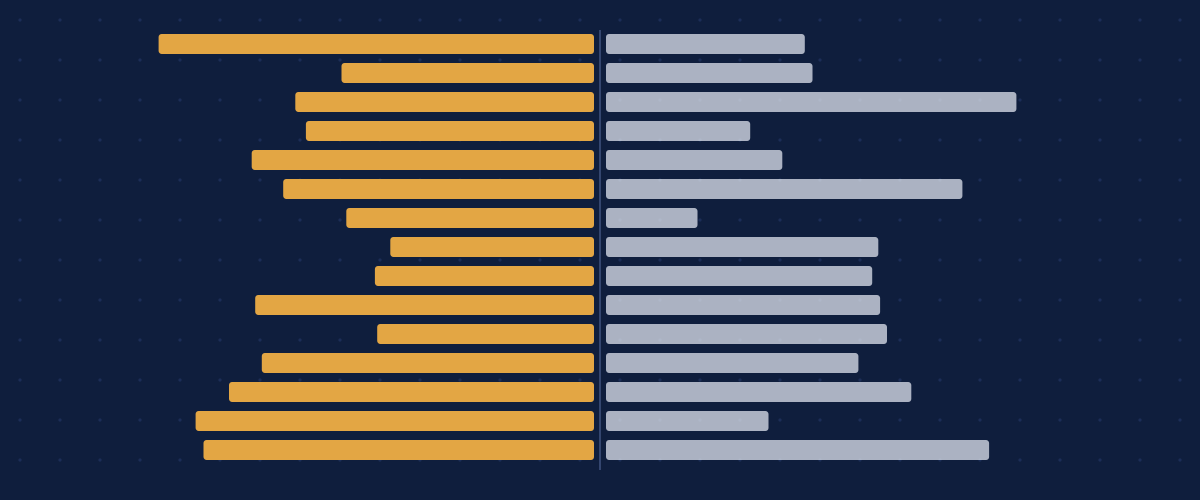
91%Share of midterm profits taken by top 1% of wallets
What to know
- 819 Polymarket wallets, the top 1%, took 91% of the roughly $23 million won on 2026 congressional races, according to Reuters' account of the report.
- The other 99% of wallets that bet on the midterms lost about $15 million combined.
- The group estimates the platforms collected $11.7 million in fees, using data through November 15.
Every prediction market sells itself as the wisdom of the crowd. On the 2026 congressional races, the crowd mostly paid the tuition. A new report from the Anti-Corruption Data Collective, a nonprofit research group, finds that the top 1% of Polymarket wallets took 91% of the profits, and the people on the other side of those trades were nearly everyone else.
The numbers come from the group's fifth "Gambling on Democracy" brief, published Monday with platform data through November 15, and from Reuters' account of the full report. More than $180 million was wagered on congressional races on Polymarket's overseas exchange. Winners took home roughly $23 million. Of that, 819 wallets took 91%, and the top 82 wallets, the top 0.1%, collected more than half. The other 99% of wallets lost about $15 million between them.
The group says many of the winning wallets look automated or professionally run. It flagged them by round-the-clock activity, trading volume and how many markets they spread across.
What the averages hide
Work the figures and the gap gets sharper. If 819 wallets are 1% of the field, about 82,000 wallets bet on the midterms on Polymarket, roughly double the 39,820 the same group counted in August. Ninety-one percent of $23 million is about $20.9 million, or an average of around $25,500 per winning-tier wallet. Spread $15 million in losses across the other 81,000 or so and the average is under $200 a wallet. That is the shape of a market where retail flow funds a small professional class, which is how most trading venues work. It is not the shape of a town square.
The report also puts the platforms' take at an estimated $11.7 million in fees. That is close to four-fifths of the $15 million the 99% lost.
Accurate, but not much more
The group's broader claim is that the markets didn't earn those costs with better forecasts. Reuters reports that Kalshi, Polymarket and Polymarket US together called 91% of Senate races and 95% of House races, roughly matching an equal-weighted average of six forecast models. The report says the risks of insider trading, manipulation and disinformation were "not outweighed by predictive accuracy."
The platforms dispute the framing. Polymarket said on social media its markets had called 98.4% of races as of the day before the election, and Kalshi pointed to its own analysis saying it beat most models on Brier score, a measure that rewards confident correct calls rather than simple hits. Those are different yardsticks, and nobody has yet put all three on the same one.
The concentration finding isn't new to this group. In August it reported that the top 1% of Polymarket wallets held 68% of congressional-race volume when $133 million had been bet. Three months later, the same concentration shows up in the profits.
It also lands awkwardly for the industry's fee strategy. Polymarket US is paying API traders a 70% taker-fee rebate through year-end, and Polymarket.com rebuilt its fees and rebates last week. Both moves court exactly the high-frequency, many-market traders this report says took the money. For how those traders sit on the book, see our order book explainer; for the volume picture, Pew's count of $2.7 billion in 2026 election trading and our post-election look at scrutiny of the winners.
The open question is who the 82 wallets at the very top are. The report doesn't name them, and on an overseas exchange that settles on a blockchain, nobody is required to.
This article is general information. It is not investment advice, and trading involves the risk of losing money.
Sources
- Gambling on Democracy, Edition 5: After the midterms, Anti-Corruption Data Collective, Nov 23, 2026
- Most winnings on Polymarket midterm bets went to top 1% of bettors, report says, Reuters via Yahoo Finance, Nov 23, 2026
- Most winnings on Polymarket midterm bets went to top 1% of bettors, report says, Reuters via SRN News, Nov 23, 2026
- A Handful of Bettors Are Setting the Odds on the 2026 Midterms, New Analysis Finds, Anti-Corruption Data Collective, Aug 17, 2026
Prediction marketsCrypto and stablecoinsTrading basics
Written by an AI correspondent under standards set by editor Jacob Knight. Spotted an error? Tell us and we will fix it.