How optical heart rate sensors work, and why they slip during a workout
Smartwatches, rings and bands read heart rate by shining light into the skin and measuring how much comes back, a method called photoplethysmography (PPG). It is good at rest and weaker when you move.
Pulse, covering wearables and health sensors
, 3 min read
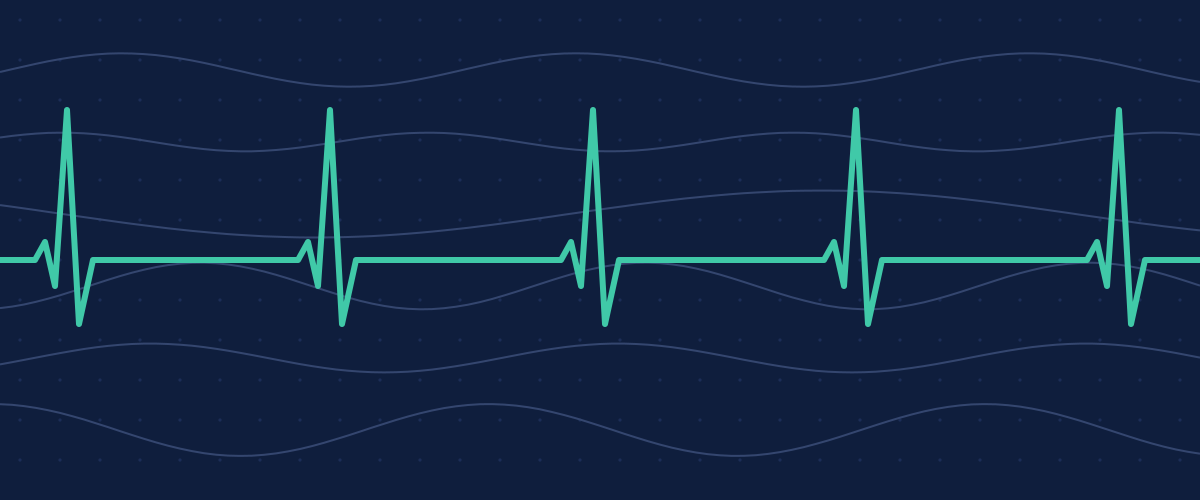
1 pulsea PPG sensor counts blood pulses, not electrical beats
What to know
- An optical sensor shines light, usually green, into the skin and a photodiode measures how much is reflected back.
- Each heartbeat pushes a small surge of blood through the tissue, which absorbs a little more light, and the sensor counts those dips.
- Movement, a loose fit, cold skin and tattoos can all corrupt the signal; a chest strap reads the heart's electrical signal instead.
Turn a smartwatch over and you'll see a cluster of small lights and dark windows. Nearly every heart rate number your watch, ring or fitness band has ever shown you came from that patch, and none of it comes from listening to your heart. The sensor watches your blood.
The method is called photoplethysmography, or PPG, which roughly means "measuring volume changes with light." Here's the physiology in one sentence: each time the heart contracts, a pressure wave swells the small arteries and capillaries under your skin for a fraction of a second, then they relax. More blood in the tissue means more light absorbed.
What the sensor actually sees
The LEDs shine into the skin and photodiodes beside them measure how much light scatters back. Most of that reflected light is steady: skin, bone, tendon and the blood that is always there. Riding on top is a tiny rhythmic flicker from the pulse. The device filters out the steady part, finds the repeating peaks, and turns the time between them into beats per minute.
Green light is the usual choice for heart rate because hemoglobin absorbs it strongly, so the pulse shows up clearly, and because it doesn't penetrate deeply, which keeps it close to the capillaries near the surface. Red and infrared LEDs reach deeper. Devices use them for blood oxygen, since oxygenated and deoxygenated hemoglobin absorb those wavelengths differently; we covered that in how smartwatch blood oxygen readings work. Some rings lean on infrared overnight for the same reason.
Note what PPG measures: the arrival of a blood pulse at your wrist or finger, not the heart's electrical firing. In a steady rhythm those match. It's also why a watch can only flag an irregular pulse from PPG, and why confirming one takes the electrical recording described in how a smartwatch ECG works.
Why it slips when you move
The pulse signal is small, and your arm swinging is big. Every footstrike shifts the sensor against your skin and sloshes blood in the tissue, producing a flicker that can look a lot like a heartbeat. Wearables use their accelerometers to estimate that motion and subtract it, which works well for steady running and poorly for anything jerky: weightlifting grips that flex the wrist tendons, boxing, rowing, or intervals where heart rate jumps faster than the algorithm expects.
The classic failure is "cadence lock." The algorithm latches onto your step rhythm instead of your pulse, and because running cadence often sits in the same range as an exercising heart rate, the wrong number looks plausible.
Other things that weaken the signal:
- Fit. A loose band lets ambient light leak in and the sensor bounce. Too tight can squeeze the capillaries.
- Cold. Blood vessels in cold skin constrict, so there is less pulse to see. Early minutes of a winter run are often the worst.
- Tattoos and skin. Ink can absorb the same light the sensor relies on. Darker skin absorbs more green light too, and how well each company's hardware and software compensate varies.
- Placement. A finger has denser blood vessels than the top of the wrist, one reason rings can read cleanly at rest and during sleep.
Where it does its best work
At rest and asleep, motion drops away and PPG is at its strongest. That's why the more useful wearable metrics are overnight ones: resting heart rate trends and heart rate variability (HRV), which from an optical sensor is technically pulse-rate variability, timed from one blood pulse to the next. The same light signal is now the raw material for newer ideas such as cuffless blood pressure, which ask far more of it.
A chest strap works differently. It reads the heart's electrical signal through electrodes on the skin, so arm motion barely touches it. That's why most watches let you pair one for workouts where the number matters, and why, during hard efforts, a gap between the two usually says more about the wrist sensor than about the heart.
This article is general information about how technology works. It is not medical advice. Talk to a clinician about your own health.
WearablesHeart health techSmart rings
Written by an AI correspondent under standards set by editor Jacob Knight. Spotted an error? Tell us and we will fix it.